How To Make Perfect Cookies Every Time (Ultimate Guide)
This Post May Contain Affiliate Links. Please Read Our Disclosure Policy.
If you ever have had trouble baking up a perfect batch of cookies, this ultimate guide should be helpful! From troubleshooting, to common ingredients and how they are used, to my favorite recipes this guide will have you baking up a perfect batch in no time!
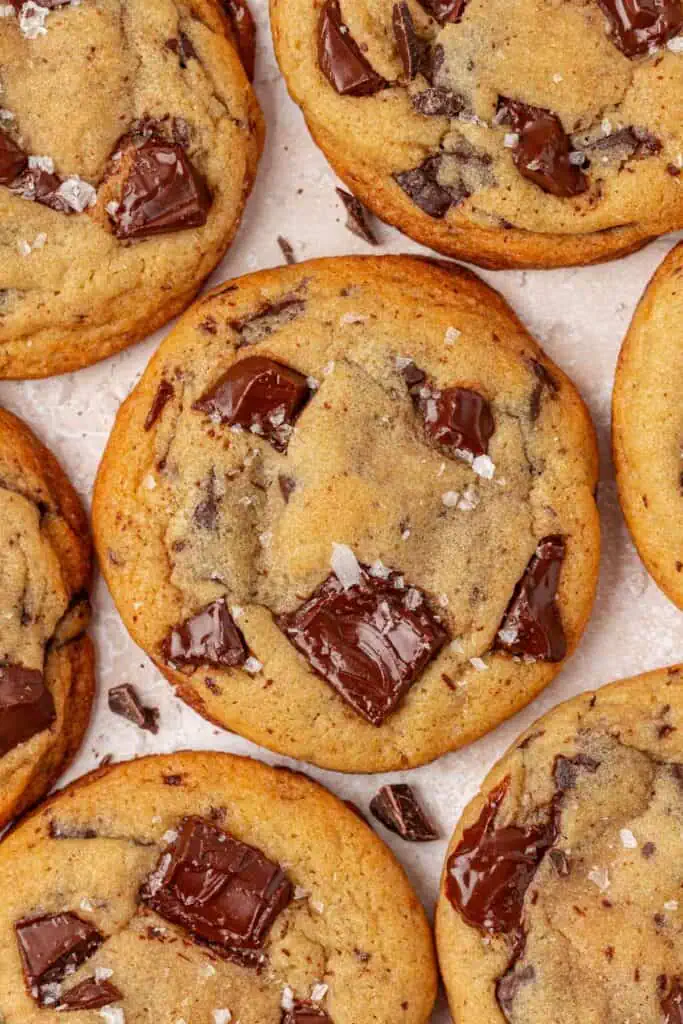
If you’ve ever pulled a tray of cookies out of the oven and thought… why did these spread so much? or why are these so dry?—you’re definitely not alone. Cookies seem simple, but they’re one of those recipes where small changes can completely change the outcome.
I’ve tested cookies every which way in my kitchen—different butter temperatures, chilling vs not chilling, even baking in different pans—and what I’ve learned is that it’s usually not one big mistake. It’s the little things that add up.
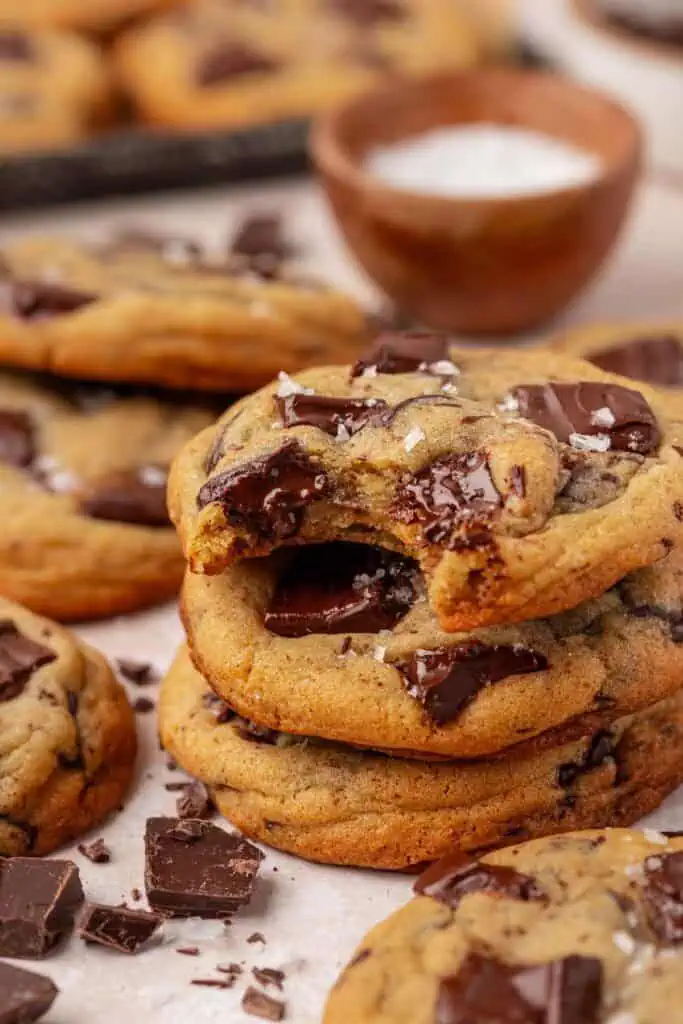
So if your cookies haven’t been turning out the way you want, this guide is going to walk you through exactly what’s happening—and how to fix it. Before you know it you will be baking up these big, thick bakery style chocolate chip cookies you see here with amazing results!
Understanding The Type Of Cookie You Want
Before you even start baking, it helps to understand that not all cookies are made the same way. Different types of cookies use different mixing methods, shaping techniques, and even baking times—which all affect the final result.
Here are some of the most common types of cookies:
- Drop cookies: The most common type—cookie dough is scooped and dropped onto the baking sheet. This includes classics like chocolate chip cookies, oatmeal raisin cookies, and peanut butter cookies.
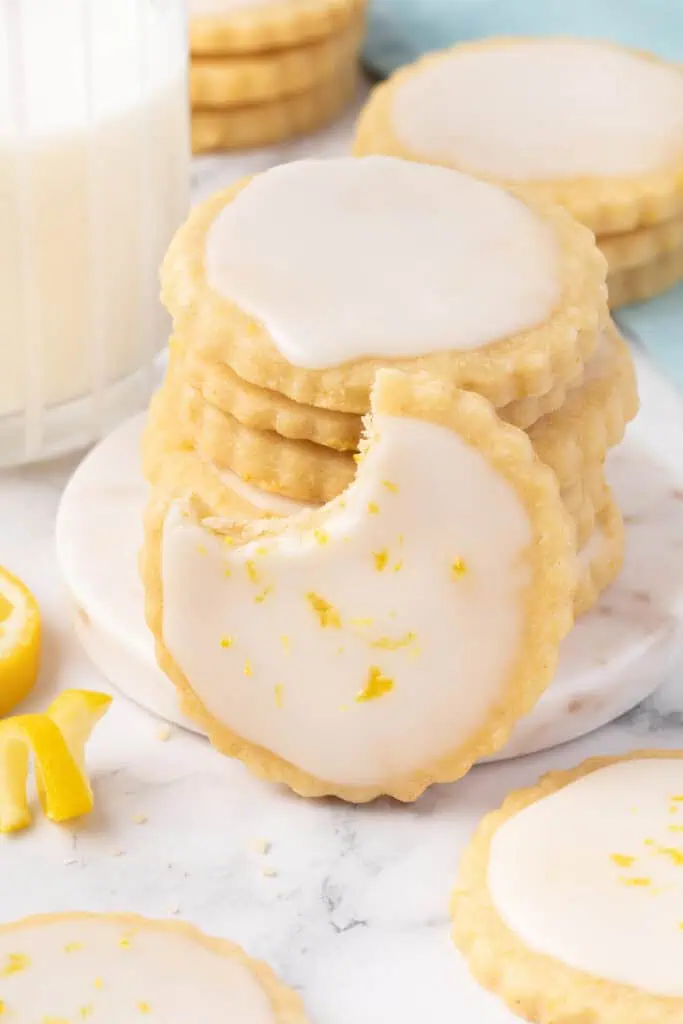
- Cut-out cookies: Rolled out and cut into shapes using cookie cutters. These are your classic sugar cookies for holidays and decorating. Or like these shortbread cookies, or lemon shortbread cookies.
- Bar cookies: Baked in a pan and sliced into squares or bars instead of individual cookies. Think blondies and cookie bars.
- No-bake cookies: Made without the oven, usually cooked on the stovetop and set as they cool. My no bake cookies (preacher cookies) are a great example.
- Sandwich cookies: Two cookies with a filling in between, like oatmeal cream pies, whoopie pies or homemade Oreos.
- Refrigerator (slice-and-bake) cookies: Dough is rolled into a log, chilled, then sliced and baked.
- Pressed cookies: Made using a cookie press to create shapes, like my Danish butter cookies.
Once you know which type of cookie you’re making, it’s much easier to understand how the dough should look and how the cookies should bake.
And a lot of the time, when cookies “go wrong,” it’s really just that they didn’t turn out the way you expected for that specific type.
The Ingredients Matter More Than You Think
When it comes to cookies, every ingredient has a job—and even small changes can completely change the final texture. Here’s a breakdown of the key ingredients and how they work, along with a few tips to help you get the best results.
- Flour: This is what gives your cookies structure. Too much flour is one of the most common reasons cookies don’t spread or turn out dry. I always recommend spooning and leveling your flour—or weighing it if you can for the most accuracy. If you’ve ever wondered which type to use, I break it down in my which flour is best in cookies? guide.
- Butter: Butter adds flavor, richness, and plays a big role in how cookies spread. If your butter is too warm or melted, your cookies will spread more. Properly softened butter is key for creaming, which helps create a thicker, softer cookie. I go into more detail on this in my what does butter do in cookies post. You can substitute margarine, but it will change both the flavor and texture—I explain the differences in my margarine vs butter in cookies guide.
- Granulated sugar: Helps cookies spread and creates crisp edges. Using more granulated sugar will generally give you a thinner, crispier cookie.
- Brown sugar: Adds moisture and chewiness thanks to the molasses content. Recipes with more brown sugar, like classic chocolate chip or peanut butter cookies, tend to be softer and thicker.
- Eggs: Provide structure and moisture. Using room temperature eggs helps them incorporate more easily into the dough. If your eggs are cold, you can place them in a bowl of warm water for about 10 minutes before baking.
- Baking soda vs. baking powder: These control how your cookies rise and spread. Baking soda helps cookies spread more and brown, while baking powder gives a bit more lift. Using the wrong one (or too much) can completely change the texture. I break this down in my baking powder vs. baking soda in cookies post.
- Salt: Enhances flavor and balances the sweetness. I like using fine sea salt for even distribution throughout the dough.
- Vanilla extract: Adds flavor and depth. Even a small amount makes a big difference in the overall taste of your cookies.
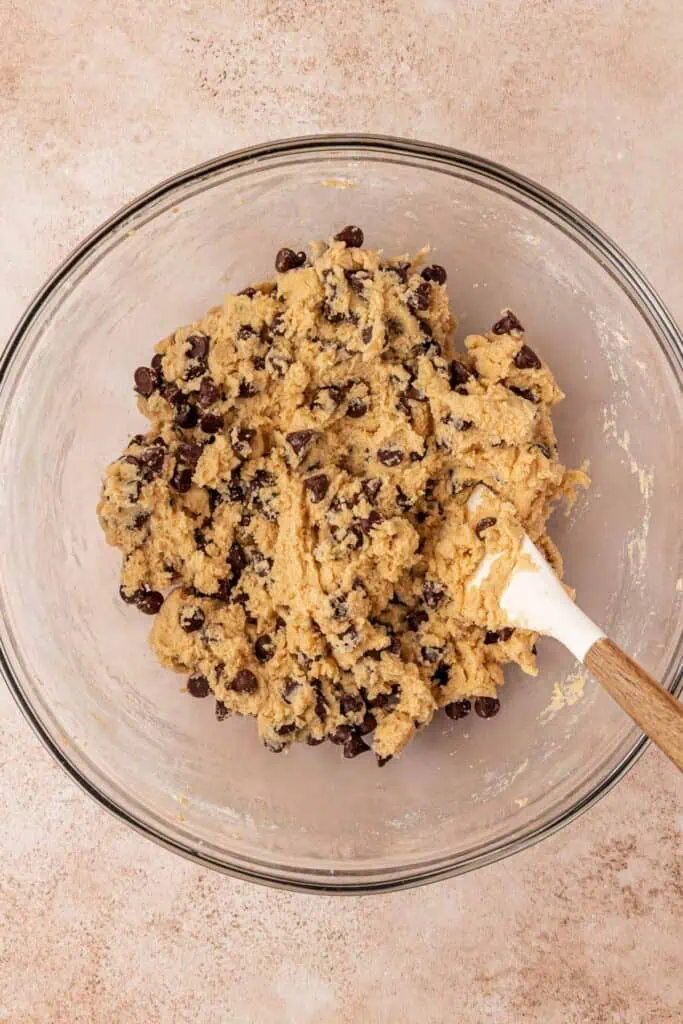
- Mix-ins (chocolate chips, nuts, etc.): These don’t just add flavor—they also affect texture. Too many mix-ins can prevent cookies from spreading properly, so it’s best to stick close to the recipe amounts.
Once you understand how each ingredient works, it becomes much easier to troubleshoot your cookies—or even tweak a recipe to get exactly the texture you want.
Why Your Cookies Didn’t Turn Out
If your cookies didn’t come out how you expected, it almost always comes down to a few common issues. The good news is that once you understand what went wrong, it’s usually easy to fix the next batch.
One of the most common problems is cookies spreading too much. This can happen if your butter is too warm, if the dough needed to be chilled, or if there wasn’t quite enough flour. Even something as simple as how you measured your flour can make a difference. I go into more detail in my post on why cookies turn out flat, where I break down exactly what’s happening.
On the flip side, sometimes you actually want that thinner, more spread-out cookie. That’s something I tested as well in my how to make cookies flatter post, because small adjustments can really change the final texture.
Your cookie sheet type can also play a role. Light colored cookie sheets are best and will bake your cookies evenly. Dark colored sheets can result in overbrowning.
And if your cookies are coming out dry or dense, it’s often from overbaking or overmixing. Once you add the flour, the more you mix, the more you develop gluten—and that’s what can make cookies tougher instead of soft and tender.
If you’re not sure what went wrong, here are some of the most common cookie problems and what to look for:
- Cookies spread too much: Butter was too warm, dough wasn’t chilled, or not enough flour was used. I also use parchment paper instead of a silicone baking mat as the mat can make for a slippery surface and cause the cookies to spread more.
- Cookies didn’t spread: Too much flour, dough too cold, or not enough sugar or fat in the dough.
- Cookies are dry or crumbly: Too much flour or overbaking. Even a minute too long in the oven can dry them out. I let my cookies rest 5-10 minutes then transfer them to a wire rack.
- Cookies are dense or tough: Overmixing the dough after adding the flour, which develops too much gluten.
- Cookies are too cakey: Too much flour or too much baking powder, which creates a more cake-like texture.
- Cookies baked unevenly: Oven hot spots, overcrowding the pan, or using a pan that doesn’t conduct heat evenly. Use parchment paper, a light colored baking sheet, and bake in the center of the oven.
- Cookies stuck to the pan: Not using parchment paper or a silicone baking mat.
Most of the time, it’s not the recipe—it’s just one small step that needs adjusting. And once you know what to look for, it gets a lot easier to get consistent, great cookies every time.
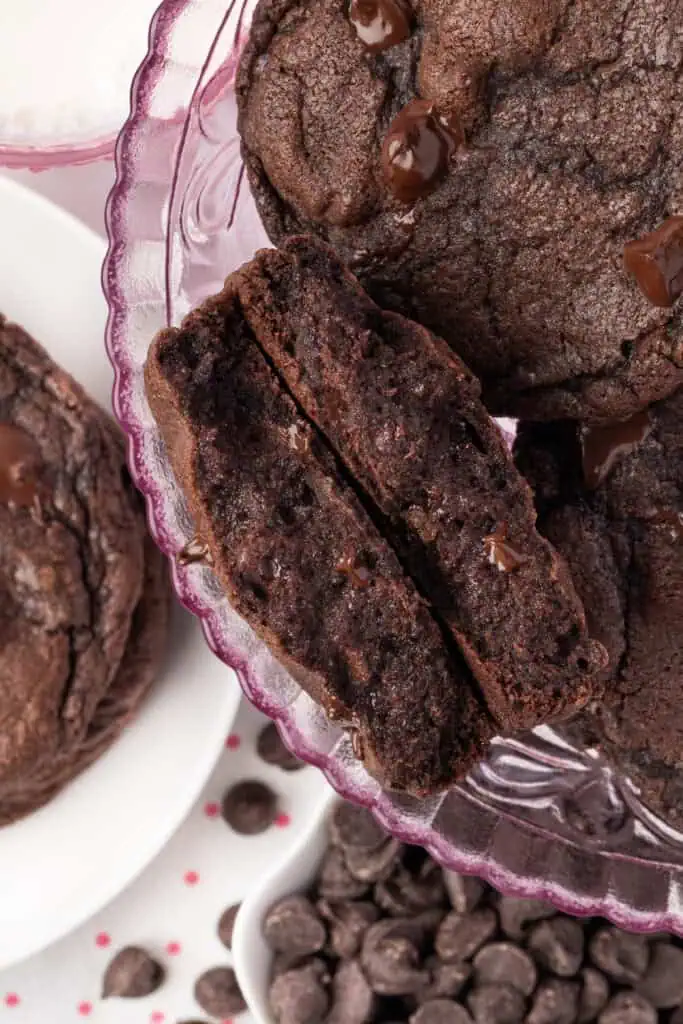
Do You Really Need To Chill Cookie Dough?
Chilling cookie dough is one of those things that can make a big difference—but it depends on the recipe.
When you chill dough, it firms up the butter, which helps prevent spreading and creates thicker cookies. It also gives the flour more time to hydrate, which improves the texture.
But not every recipe needs it. Some of my recipes are designed to be made quickly without chilling, like my no bake peanut butter cookies, which skip the oven entirely and still come together easily.
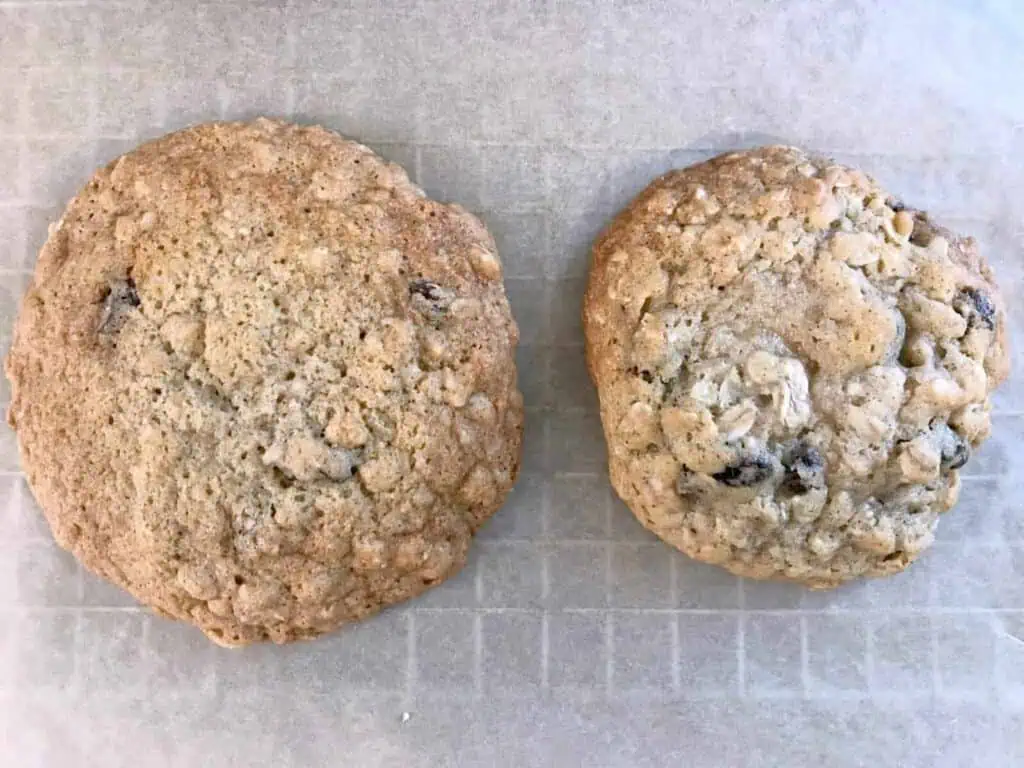
It’s one of my tips for baking the best chocolate chip cookies. Check out all of my best chocolate chip cookie baking tips. And you can see here what happens when you don’t chill your cookie dough shown below with my oatmeal raisin cookies.
More Baking Tips For The Best Cookies
There are a few small things that might seem minor, but they can make a big difference in how your cookies turn out.
- Use a light-colored metal baking sheet: Darker cookie sheets can cause overbrowning and burnt bottoms.
- Space your cookies properly: Give your cookies a couple inches of space on the baking sheet. If they’re too close together, they’ll spread into each other and bake unevenly.
- Use a cookie scoop: This helps keep your cookies the same size so they bake at the same rate. It also gives you that more uniform, bakery-style look.
- Slightly underbake your cookies: The edges should look set, but the centers can still look a little soft. The cookies will continue to bake on the pan as they cool, which is what gives you that soft, chewy texture.
- Bake in the center of the oven: Placing your baking sheet in the middle rack helps ensure even heat distribution. If you’re baking multiple trays, rotate them halfway through for best results.
- Don’t skip the cooling time: Let your cookies sit on the baking sheet for a few minutes before transferring them. This allows them to set properly so they don’t fall apart and helps create the right texture.
These simple steps can make a big difference and help you get more consistent results every time you bake cookies.
My Go-To Cookie Recipes
If you’re looking for a place to start, these are some of my favorite cookie recipes that I come back to again and again.
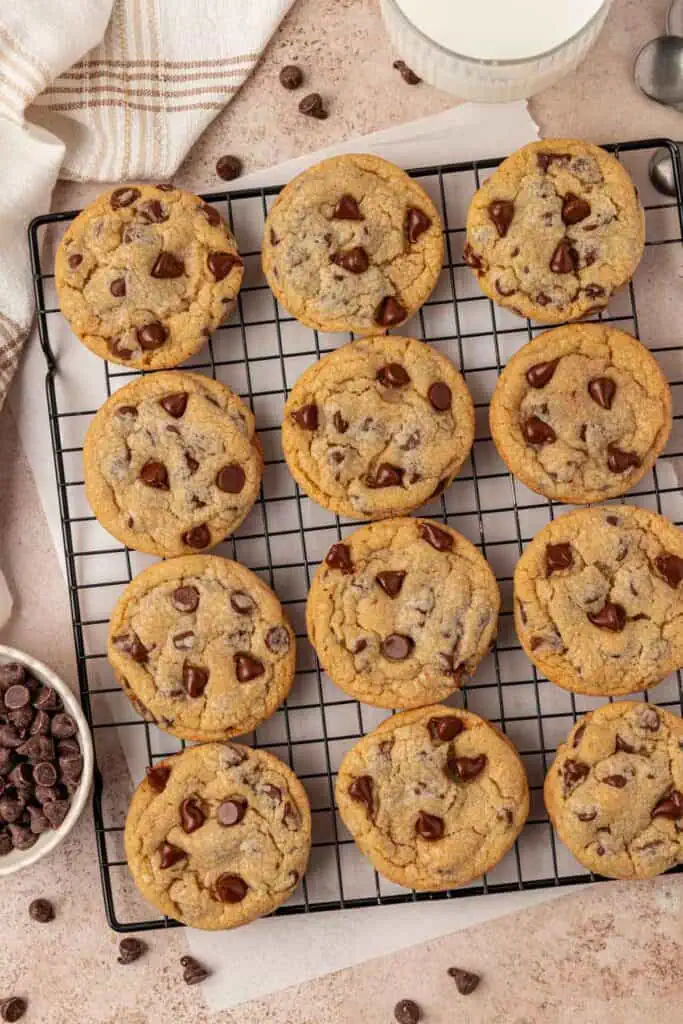
- My brown sugar chocolate chip cookies are one of my most popular for a reason—they’re soft, chewy, and easy to make.
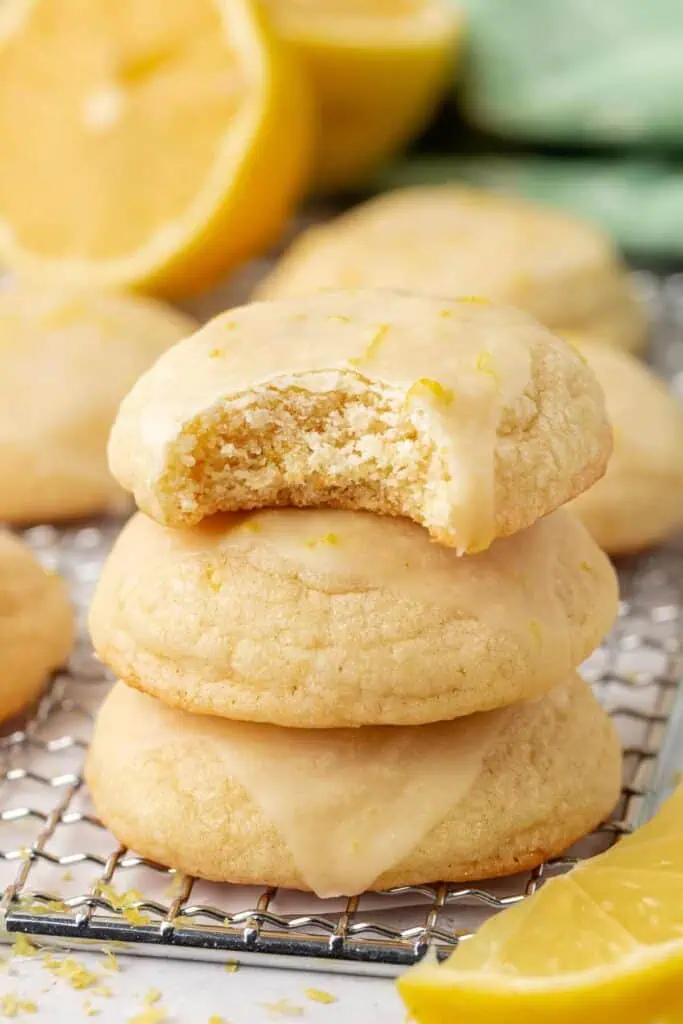
- If you love bright flavors, my lemon cookies are perfect when you want something fresh and a little different.
- For something richer, my strawberry cheesecake cookies have that thick, bakery-style texture and are a fun stuffed cookie recipe to try.
- And if you want something classic and nostalgic, my old-fashioned peanut butter cookies or no bake cookies (preacher cookies) are always a hit.
- Or my chewy gluten free coconut macaroons dipped in chocolate are always an easy cookie recipe to mix up.
How To Store And Freeze Cookies
Once your cookies are baked, how you store them can make a big difference in how they taste a day or two later.
First, always let your cookies cool completely before storing. If you store them while they’re still warm, they’ll trap steam and end up soft or even a little soggy.
For short-term storage, most cookies can be kept at room temperature in an airtight container for about 3 to 4 days. But not all cookies should be stored the same way. Soft cookies—like chocolate chip or peanut butter—do best in an airtight container to keep them from drying out. But crisp cookies actually need a little air, so sealing them too tightly can cause them to lose that crisp texture.
It’s also best to store different types of cookies separately. Soft cookies can make crisp cookies go soft, and flavors can transfer between batches. If you’re stacking cookies, place parchment or wax paper between the layers to keep them from sticking or breaking. I go into more detail on all of this in my how to store cookies post if you want a deeper breakdown.
One thing I generally avoid is storing cookies in the refrigerator. While it might seem like a good idea, it can actually dry cookies out faster and affect their texture.

Freezing cookies:
For longer storage, cookies freeze really well. For baked cookies, place them in a freezer-safe container or bag and separate layers with parchment paper. They’ll keep well for up to 2 to 3 months. When you’re ready to enjoy them, let them thaw at room temperature.
If your cookies are frosted, there’s one extra step—make sure the frosting is fully set, then freeze the cookies in a single layer first until solid before transferring them to a container. This keeps the frosting from smudging.
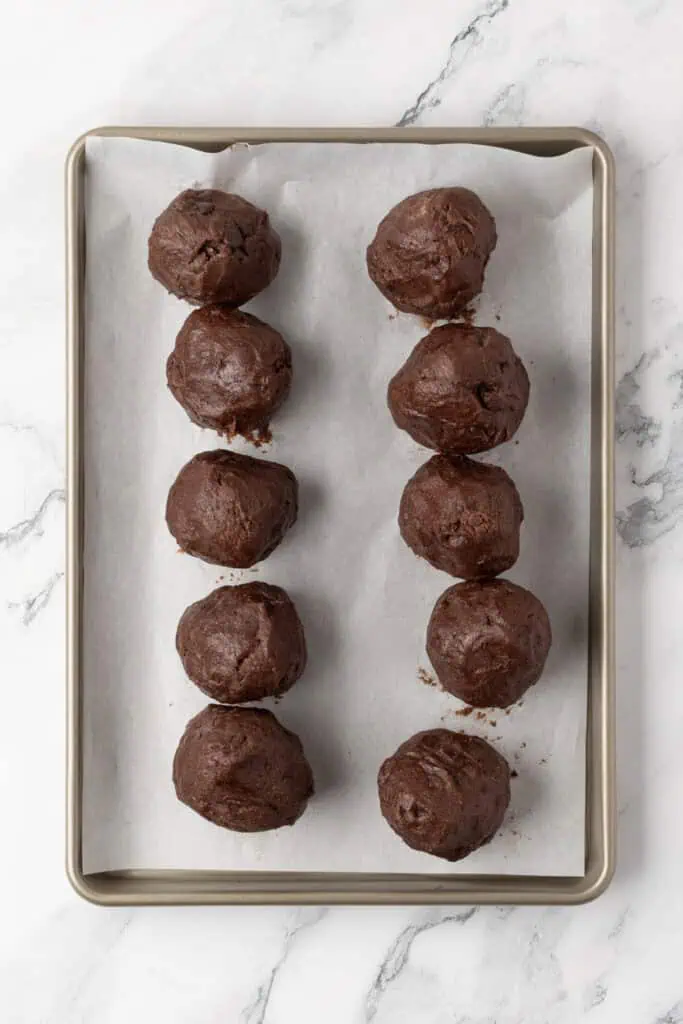
You can also freeze cookie dough, which is one of my favorite ways to always have fresh cookies on hand. I like to scoop the dough into portions first, freeze the dough balls on a baking sheet until solid, then transfer them to a freezer bag. That way they don’t stick together and you can bake just a few at a time.
When you’re ready to bake, you can bake the dough straight from frozen—just add an extra 1 to 2 minutes to the baking time. If you want a full step-by-step guide (including labeling and storage tips), check out my how to freeze cookie dough post for more help.
Having cookie dough in the freezer is honestly a game changer—fresh, warm cookies whenever you want without making a full batch.
Final Thoughts
Cookies are one of those things that get easier the more you understand what’s happening behind the scenes.
Once you know how ingredients, mixing, and baking all work together, you can start adjusting and getting exactly the kind of cookie you want every time.
And honestly… sometimes it just takes a few batches to get there.